◈@collindphc289
Peptide Pureness Analysis Solution
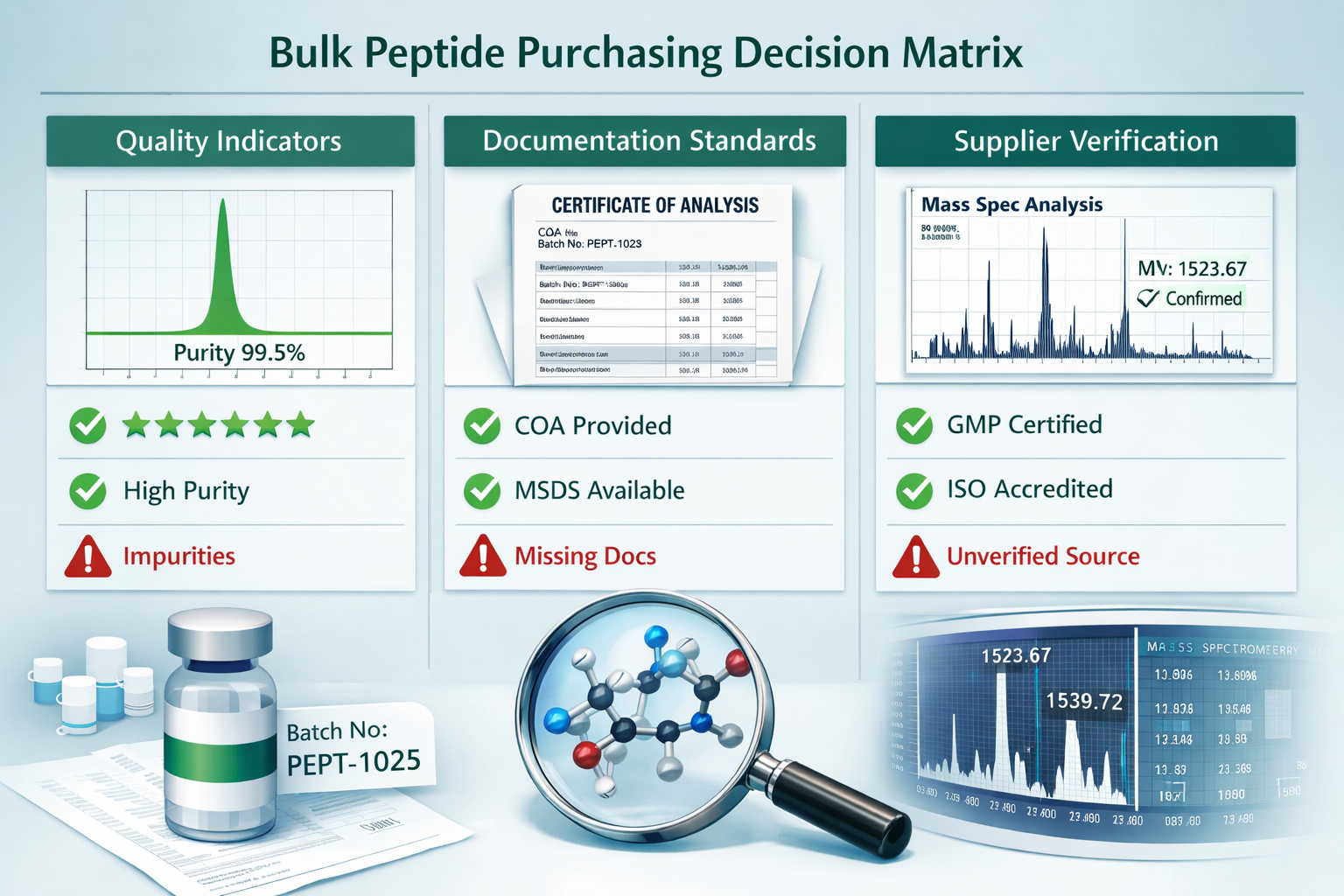
Peptide Testing: Hplc & Mass Spec Purity Guide Peak
Creative Proteomics is a trusted supplier of proteomics analysis services. Thanks to our exceptional scientists and effective mass spectrometry platform, we off provides international consumer with detailed and specialist peptide purity evaluation solution by using RP-HPLC. If you have any type of concerns or certain requirements, please feel free to contact us.Start Your Peptide Analysis Task
HPLC can reveal the visibility of additional optimals; LC-MS can assist assign likely identities to those relevant varieties. Oxidation changes molecular buildings and can shift retention habits, developing distinct chromatographic tops or associated mass shifts. Together, these tools supply a clear and thorough photo of peptide structure, ensuring researchers can trust their information. Kai is the lab's AI research aide-- powered by Claude (Anthropic) and GPT (OpenAI)-- responsible for technological writing, literature review, COA verification, and substance analysis.- Required for measurable researches, architectural biology, in vivo research versions, and any application where even percentages of pollutant can influence outcomes.
- Apex's How to Check out a Peptide COA guide walks through this procedure detailed.
- Mass spectrometry gauges the molecular weight of a substance with severe precision.
- The primary analytical techniques for peptides include liquid chromatography (LC), normally HPLC, combined with mass spectrometry (MS) for accurate molecular weight decision and sequence recognition.
- Equipped with this understanding, you can with confidence interpret labels like "95% pureness, research study grade" and use those peptides to drive your experiments without complication.
Where Can I Buy Laboratory Evaluated Peptides?
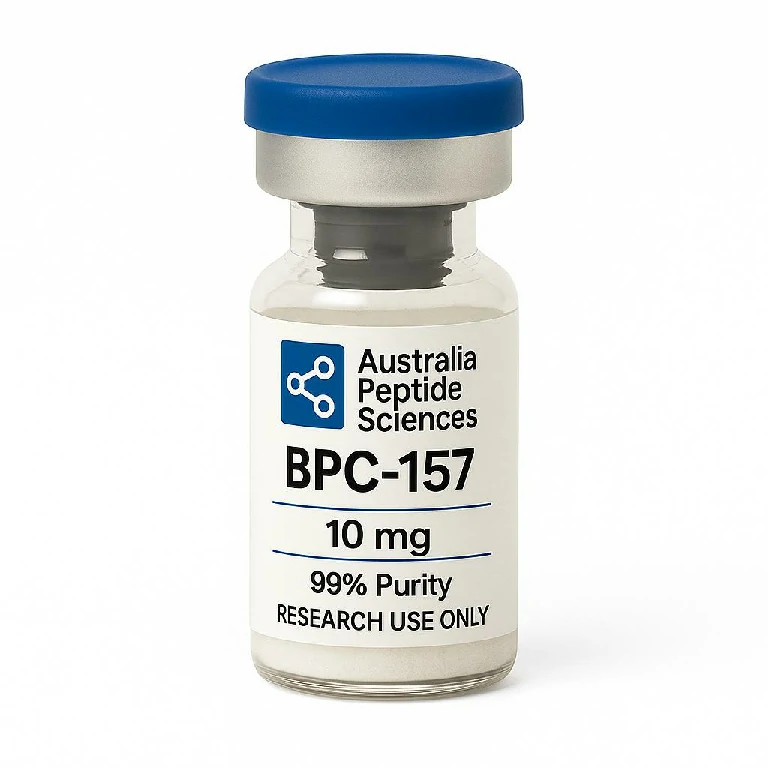
It is an area-percent pureness dimension, not a complete identity or task test. Importantly, purity portions define chemical structure only-- they do not suggest sterility or biological Peptides UK official website suitability. Peptides from Maxed Out Substances are supplied exclusively for research laboratory research study usage and are not meant for human or vet objectives. Peptide purity is usually revealed as a percentage, such as 95% or 98%. This number represents just how much of the sample is composed of the preferred peptide series. For most research laboratory applications, a purity of 95% or greater is taken into consideration research-grade.
While peptide pureness isn't the only variable, making use of improperly defined reagents is an acknowledged contributor to irreproducible outcomes. For a 10-residue peptide with 99.5% coupling effectiveness, you 'd anticipate about 95% of the final product to be the unabridged sequence prior to purification. For a 30-residue peptide at the exact same effectiveness, that goes down to approximately 86%. This is why much longer peptides are more difficult to produce at high purity and normally cost even more. Pureness is the percentage of publications in the shipment that have every page printed appropriately, in the best order, without missing out on phases and no additional web pages packed in. A 95% pureness indicates that out of every 100 "publications" in your set, 95 are best copies and 5 have some kind of error.High-performance Liquid Chromatography
◈