Validated > 99% Lab-grade Peptides
Peptide Purity & Quantitation Screening
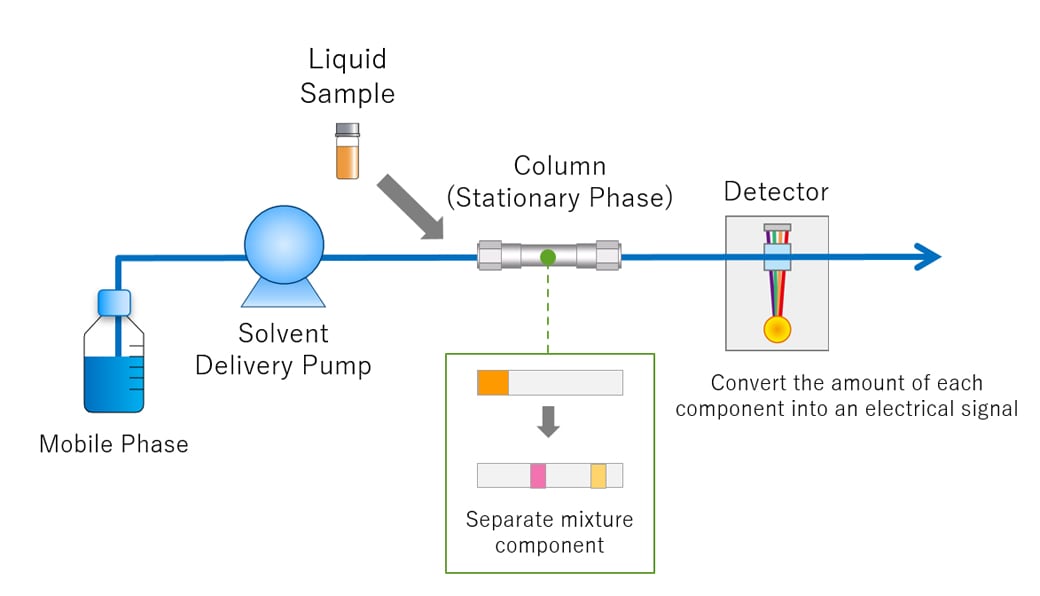
In theory, peptide purity is quantified by the chromatogram generated by reversed phase HPLC, and furthermore, we can get the number and family member amount of feasible spin-offs by determining the peak location. A top quality chromatogram has a solitary, in proportion primary height with a level standard on either side. " Trailing"-- where the peak routes off slowly on one side-- can indicate column problems, example overloading, or additional interactions in between the peptide and the fixed stage. In this setup, the fixed phase is hydrophobic (water-repelling), generally C18-bonded silica. The mobile stage is a gradient of water and a natural solvent like acetonitrile, commonly with a percentage of trifluoroacetic acid (TFA) to sharpen the heights.
Reputable peptide suppliers always note their items in this manner and provide top quality records with HPLC and MS information to support the pureness level. As long as you obtain peptides from a trusted source that offers a full certificate of evaluation, you can be certain in the peptide's pureness quality and use extent. Peptides are tested through a mix of methods, including HPLC for purity, mass spectrometry (MS) for sequence verification, and nuclear magnetic vibration (NMR) for structural evaluation. These techniques aid recognize the peptide's structure, validate the molecular weight, and identify any kind of architectural changes or impurities, ensuring the peptide satisfies quality and specification demands. With our comprehensive peptide evaluation platform, Creative Proteomics has actually established an extremely sensitive and customized platform.
For researchers, obtaining confirmed peptides isn't just a formality-- it's the structure of trusted experiments and research study reproducibility. Poor-quality peptides (those with unnoticed pollutants, inaccurate series, or weakened components) can bring about misleading information and irreproducible results. In fact, proteins and peptides are among one of the most extensively utilized lab reagents, yet research studies have revealed that their quality is frequently poor, leading to inadequate data reproducibility. Starting with proper laboratory get more info validation is as a result a vital part of a scientist's quality control workflow.- Along with HPLC and MS, specialized laboratories might utilize orthogonal techniques for added accuracy.
- The pureness percentage is typically computed from the major peak area divided by the overall incorporated top area.
- A normal lab will certainly run the peptide through an HPLC system and create a chromatogram-- the major peak corresponds to the target peptide, and any type of additional peaks indicate various other substances.
- By validating structure through multiple confirmed methods, research laboratory recognition guarantees that researchers obtain a high-purity peptide that will certainly execute as expected in the lab.
- A 2016 survey released in Nature located that greater than 70% of scientists had actually attempted and stopped working to recreate another researcher's experiments.
What The Contaminations Really Are
These are valuable in the ideal setup, but they must be taken method-specific evidence as opposed to a global substitute for HPLC and MS. Yet peptide purity is probably the solitary most important quality statistics for any kind of research study peptide. It straight affects the reliability and reproducibility of speculative outcomes. A peptide provided at 75% pureness and one at 99% pureness aren't simply different grades-- they can create meaningfully different outcomes in the very same assay.Customized Peptides
HPLC actions chromatographic purity by dividing the target peptide from associated contaminations and computing main-peak area percent. Mass spectrometry validates molecular identification by examining whether the determined mass matches the anticipated peptide mass. For research-grade peptide qualification, HPLC and LC-MS/ESI-MS solution different inquiries and must read together. BOC Sciences likewise supplies extensive in vitro (cell platforms) and in vivo (pet systems) screening services to help clients completely understand peptide formula performance in different settings. In vitro examinations examine peptide cytotoxicity, cell uptake, anti-inflammatory activity, and extra, giving essential data support for peptide applications in clinical aesthetics and biomedical areas.
Each peptide has a various expected molecular weight, so mass confirmation is not a generic badge; it is compound-specific proof. For a much deeper identity-focused explanation, see Mass Spectrometry Peptide Verification. Identification screening verifies that what was synthesized is actually the intended sequence. Preserving a high level of purity is crucial due to the fact that pollutants can impact bioassays or responses. As an example, abbreviated peptides or chemically modified side-products could bind to targets or create side effects that amaze your outcomes. Specially customized peptides or cyclic peptide sequences are challenging to confirm, which impacts quality control. We incorporate https://remingtonhhvv163.yousher.com/peptides-supplier-scores LC-MS/MS and enzymatic digestion evaluation to precisely validate the series and modification websites of non-natural modified peptides. Residual organic solvents, steel ions, or spin-offs from synthesis may create toxic side effects.